


On this page
Frozen corn kernels work in fritters when the batter connects the kernels and the cooking method heats the center completely. Whole kernels do not form a continuous cake by themselves. Too many kernels for the available binder, loose thaw liquid or a thick portion can make the first fritter fall apart even though its edges brown nicely. Start with a complete corn-fritter recipe and use the ingredient state it specifies.
Some recipes accept corn directly from frozen; others call for thawed and drained kernels. Both approaches can work within a suitable formula, but they do not put the same amount of visible free liquid into the bowl at the same time. If you are adapting a recipe, thawing safely and draining gives you a clearer view of the ingredient water. It does not mean that every corn recipe requires thawing.
Cook one small fritter before portioning the whole batch. Check that it releases from the pan, survives turning and has a fully cooked center with an even distribution of corn. Adjust one variable at a time. Adding flour, reducing liquid and increasing heat together may produce a different fritter without revealing which change solved the original problem.
Choose the fritter style before changing the corn
A fritter can be a light pancake-like cake with corn scattered through it, a corn-heavy patty with just enough batter to connect the kernels, or a softer mixture that includes some crushed corn. These styles have different handling targets. A recipe designed for a spoonable pancake batter should not be judged by whether it forms a dry hand-shaped patty.

Plain whole kernels give recognizable sweet bites. Crushing a portion of the corn changes the mixture’s consistency and flavor distribution, so it is a deliberate recipe choice. Cornmeal adds a different texture from wheat flour. Egg, starch and cheese can each contribute to a recipe’s structure in different ways; they are not equal replacements for a missing binder.
Fritters also differ from cornbread. The portion is placed in a hot pan, spreads or is flattened, and normally needs to survive a turn before removal. That places a particular demand on early structure and thickness. Our cornbread application guide covers the baked-loaf question, rather than this pan-setting and turning decision.
Choose a recipe whose finished texture resembles your goal. Keep its flour type, egg quantity, leavening and other core ingredients stable for the first batch. If you prefer a more corn-heavy fritter, increase the kernel proportion gradually after you know how the original behaves. A familiar-looking batter can still lack enough continuous structure to hold a dense kernel load.
Decide whether the kernels need thawing
Follow the corn label’s cooking requirements and the recipe’s ingredient instruction together. Blanching or freezing should not be assumed to make corn ready to eat. If a recipe calls for thawed kernels, thaw safely, catch the liquid and drain before weighing the portion that will enter the batter. Refrigerator thawing gives a simple controlled preparation.
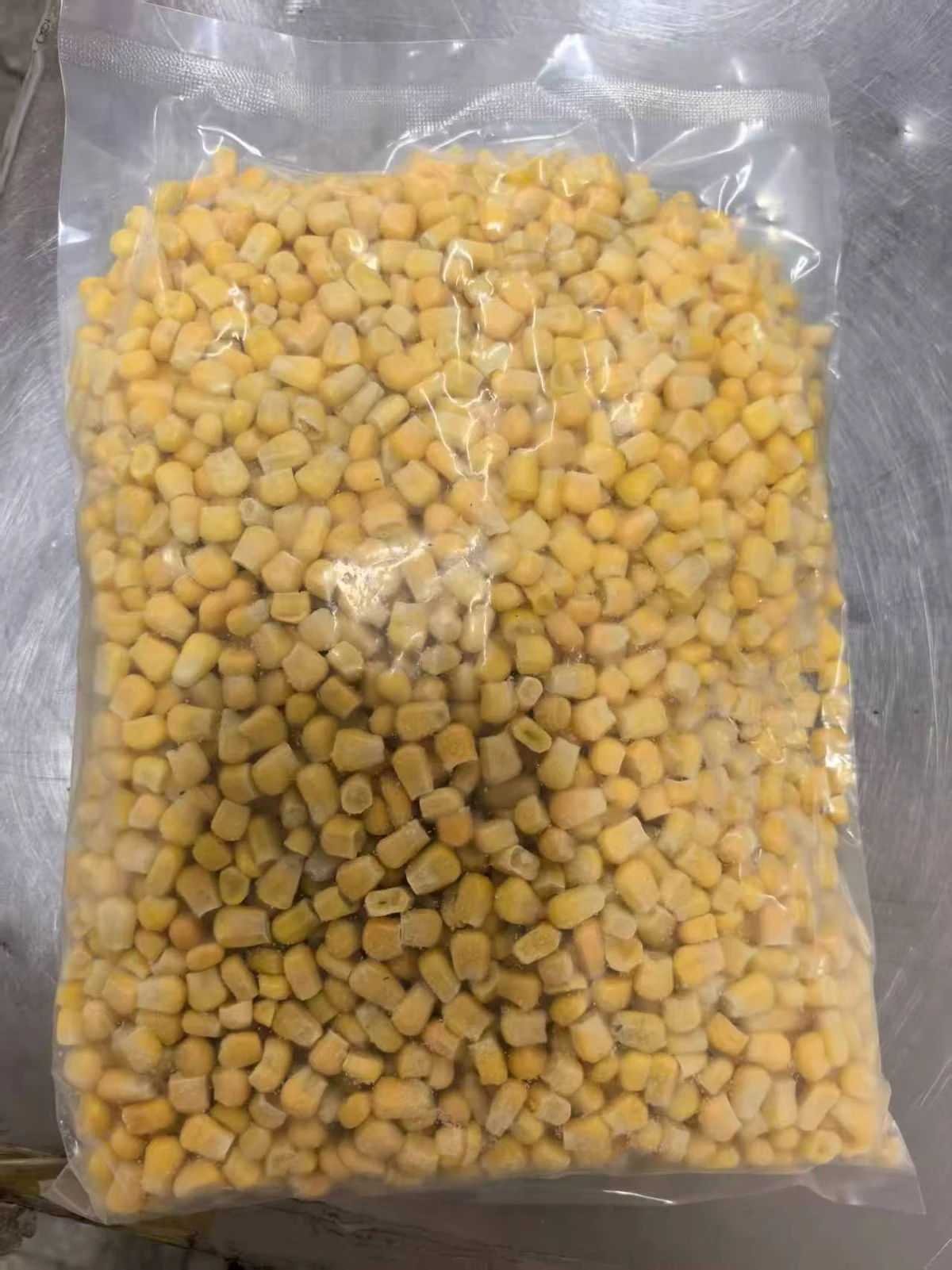
A small amount of surface moisture is different from liquid pooling at the bottom of the bowl. Drain loose liquid, then inspect the corn. Do not rinse simply because it is frozen unless the recipe or product instruction requires it: additional water creates another drainage step. If kernels remain clumped together, separate them using the planned safe preparation rather than adding an ice-filled lump to the batter.
For a recipe designed to use frozen kernels directly, use free-flowing corn in the stated amount and proceed promptly. A long wait while frozen corn warms can change batter temperature and consistency. Treat the recipe’s original result as your starting point; a very icy product or a much larger frozen addition may behave differently.
Measure corn at a clearly named stage. A cup of frozen clumps, a cup of loose thawed kernels and a weight of drained corn are not identical preparation records. Weighing the drained ingredient is useful when repeating a corn-heavy style. If you retain the thaw liquid, measure it separately and include it in the recipe’s known liquid rather than pouring it back without accounting for it.
Build enough batter to connect the kernels
The batter must surround and bridge the kernels so a portion acts as one fritter. Whole corn creates interruptions in that surrounding material. If a spoonful contains mostly loose kernels with very little batter between them, pressing it harder in the pan will not necessarily create the missing connections. Reduce the kernel load or adjust the binder within the recipe instead.

Mix the dry and wet components as the recipe directs, then distribute the corn. Wheat-flour batter should not be beaten aggressively merely to remove every visible lump. A short hydration rest, when allowed by the recipe, may change its consistency. Judge again before adding more flour. The target is the spoon or patty behavior expected for the chosen fritter style.
A useful practical check is a measured spoonful on a plate: does it remain together long enough to transfer, or does thin liquid run away from the kernels? This is a handling cue, not proof of safe cooking. If it runs, inspect the liquid balance first. If it is stiff but still falls apart, the kernel-to-batter relationship or the chosen binder may be the more important problem.
Extra vegetables need separate attention. Wet onions, grated zucchini or chopped tomatoes can change the batter water and piece load. Add-ins also alter what constitutes an even distribution. Learn the plain-corn version before treating every moist ingredient as harmless garnish. Otherwise, a failed fritter may be blamed on frozen corn when the extra vegetable supplied most of the loose water.
Keep kernels distributed from bowl to pan
A fritter mixture can separate while you cook several batches. The first portion may have ample batter and the last may contain many kernels left at the bottom. Fold the mixture gently between batches when needed, scraping the bowl’s lower edge. Do not repeatedly beat it as though you were rebuilding the entire batter.

Use the same scoop or spoon and take portions from the mixed batter, rather than selecting a mound of kernels and adding a little liquid afterward. Consistent portion size makes heat control and turning easier. It also makes a comparison meaningful: a larger, thicker last fritter should not be judged against a small, thin first fritter as though corn preparation were the only difference.
Flatten the portion to the thickness intended by the recipe. Aim for a layer in which kernels are distributed through the fritter rather than a central pile. A stray kernel on the edge is normal; a cluster surrounded by almost no batter can become a weak point during turning. Adjust portion placement before deciding that the entire recipe needs more flour.
For a foodservice batch, observe the beginning, middle and end of the bowl. A kitchen method that works only for the first few portions may need a clearer mixing and portioning instruction. That is a handling problem you can record and fix. It should not be hidden by judging only the most attractive finished fritter.
Control thickness, heat and turning
The pan must supply enough heat to set and brown the outside while the center cooks. Very high heat can color the surface before a thick portion is ready. A cool pan can leave the batter weak and delay browning. Follow the recipe’s heat and oil method; shallow-fried patties and deep-fried fritters should not be treated as the same process.
Leave enough space to place and turn each portion without pushing its neighbors. A crowded pan also makes consistent cooking harder. Wait until the first side has developed the structure needed to move with a spatula. If it folds or smears, forcing the turn can break it even if the binder would have set with more time under the intended conditions.
Slide a suitably wide spatula under the fritter and turn decisively but gently. Avoid pressing repeatedly just to force out moisture; that changes the texture and may break the kernel connections. A light initial flattening for even thickness is different from compressing a partly cooked fritter every minute.
Cut the first cooked portion through its thickest part. The inside should be cooked according to the complete recipe, without raw batter. Brown color is not a safety measurement. For an egg-containing fritter, follow appropriate egg-dish temperature guidance and the product’s cooking requirements; the U.S. FDA lists 160°F (about 71°C) for egg dishes. Use a thermometer where practical rather than trusting the edge color alone.
Troubleshoot the first fritter
If the fritter breaks during turning, check whether it was turned too soon, whether the portion was too large for the spatula, and whether the kernels had enough batter around them. Those are different causes. A clean fracture around a heavy kernel cluster suggests a different adjustment from a soft smear of unset batter.

| Observed result | Check first | Controlled next adjustment |
|---|---|---|
| Kernels separate from the cake | Kernel load and batter bridges | Test a smaller kernel proportion in a portion of batter |
| Thin liquid spreads around the portion | Loose thaw liquid and added liquids | Correct drainage or measured liquid in the next batch |
| Dark outside, wet center | Thickness and heat | Use the recipe’s thinner portion and appropriate heat |
| Last fritters are much more corn-heavy | Bowl separation and scooping | Fold gently and portion consistently |
If a fritter tastes mostly of flour, adding binder may have solved cohesion while weakening the corn character you wanted. Revisit the initial drainage and portion thickness before accepting that tradeoff. A cohesive result is necessary, but the best recipe for your use should also preserve a pleasant kernel bite and a balanced surrounding cake.
Do not use a sauce to conceal an incompletely cooked center. Evaluate the plain first fritter, then season or serve it as intended. A sauce can change the eating experience and soften the surface during holding, so judge the served product as well if it will spend time on a buffet or under a topping.
A small comparison that answers one question
To compare direct-frozen and drained use, start with a recipe suitable for the proposed preparation and make two small batches from the same corn lot. For your own comparison, keep all other ingredients, pan, heat setting, scoop size and thickness consistent. Record whether each corn weight was measured frozen or after thawing and draining.
Track batter consistency before the first portion and after the bowl has waited through a normal cooking interval. Record any extra flour or liquid. Note how many portions remain intact after turning and whether kernels are evenly distributed in the finished cross-section. These observations explain handling better than a general statement that one version was crispier.
Repeat the preferred method before scaling the recipe. Larger loads change pan crowding, waiting time and how often the bowl needs folding. A recipe that cooks successfully as four small fritters may need a better portioning procedure for a full kitchen run. Keep the ingredient and cooking instructions together when handing the recipe to another cook.
Handling, reheating and ingredient choice
Do not taste raw batter. The FDA’s raw-flour guidance applies even if the corn was already cooked. Keep perishable batter cold when it is not being cooked, and follow the recipe’s storage instructions. Refrigerate finished leftovers promptly; the U.S. FDA gives 165°F (about 74°C) for reheating leftovers. Reheating method also affects crispness, which is a quality question separate from reaching a safe temperature.
For repeated kitchen use, choose a plain kernel product whose form and preparation fit the recipe. Our frozen sweet corn page describes the product forms. Link a successful fritter method to the sample and preparation in your ingredient approval record. Further application explanations are collected in Food Knowledge.
Explore the product forms behind this application.
IQF Frozen Sweet Corn →