


On this page
Frozen sweet corn can work well in a cold salad, but “cold” describes how you serve the finished dish, not necessarily how you prepare the kernels. Start with the exact package. If it says to cook the corn, cook it as directed before cooling it for the salad. Do not assume a frozen vegetable is ready to eat because it was blanched during production or because a recipe says “just thaw.” After the required preparation, cool the kernels promptly and drain free water before adding dressing. That sequence protects the intended preparation route and gives you a clearer, less diluted salad.
Texture is the second decision. Kernels that are warm or wet when dressed can make a creamy dressing thin and can soften crisp companion ingredients. Cooked, cooled, well-drained kernels let you assess their natural bite before adding acid, oil or mayonnaise. Make a small sample with the product you plan to use, check it immediately and after chilled holding, and adjust the dressing only after observing how much liquid the corn contributes.
- Read the pack first; cook frozen corn when it instructs you to cook.
- For a cold salad, cool the prepared corn and drain visible free liquid.
- Dress a small trial and recheck after chilling; pooling water may thin dressing.
- Judge kernel bite, separation and flavor in the actual recipe.
Start with the pack, not the salad bowl
A bag of frozen corn is an ingredient, not a universal ready-to-eat instruction. Some packs explicitly direct cooking; others may state a different intended use. The label controls the starting route. This matters particularly in a cold salad because the final dish will not necessarily receive another heating step. If the pack requires cooking, a recipe that mixes frozen kernels straight into a cold bowl is missing a critical step for that product.
Several online salad recipes use a quick thaw or describe frozen corn as already cooked because it has been blanched. That is too broad. The ECDC and EFSA risk assessment of frozen vegetables [1] discusses frozen corn in the context of ready-to-eat handling and highlights the importance of thorough cooking for products that are not ready to eat. The FDA’s frozen-food guidance [2] likewise directs consumers to use package instructions. Neither a sweet taste nor a bright yellow color tells you the intended preparation status.
Inspect the real kernels before you begin. Are they loose enough to portion? Is the bag a plain ingredient or a prepared seasoned product? A photo of frozen kernels, such as the first real product image below, can show shape and separation, but it cannot show whether the product is labeled ready to eat. That fact lives on the actual package, not in the appearance of the corn.
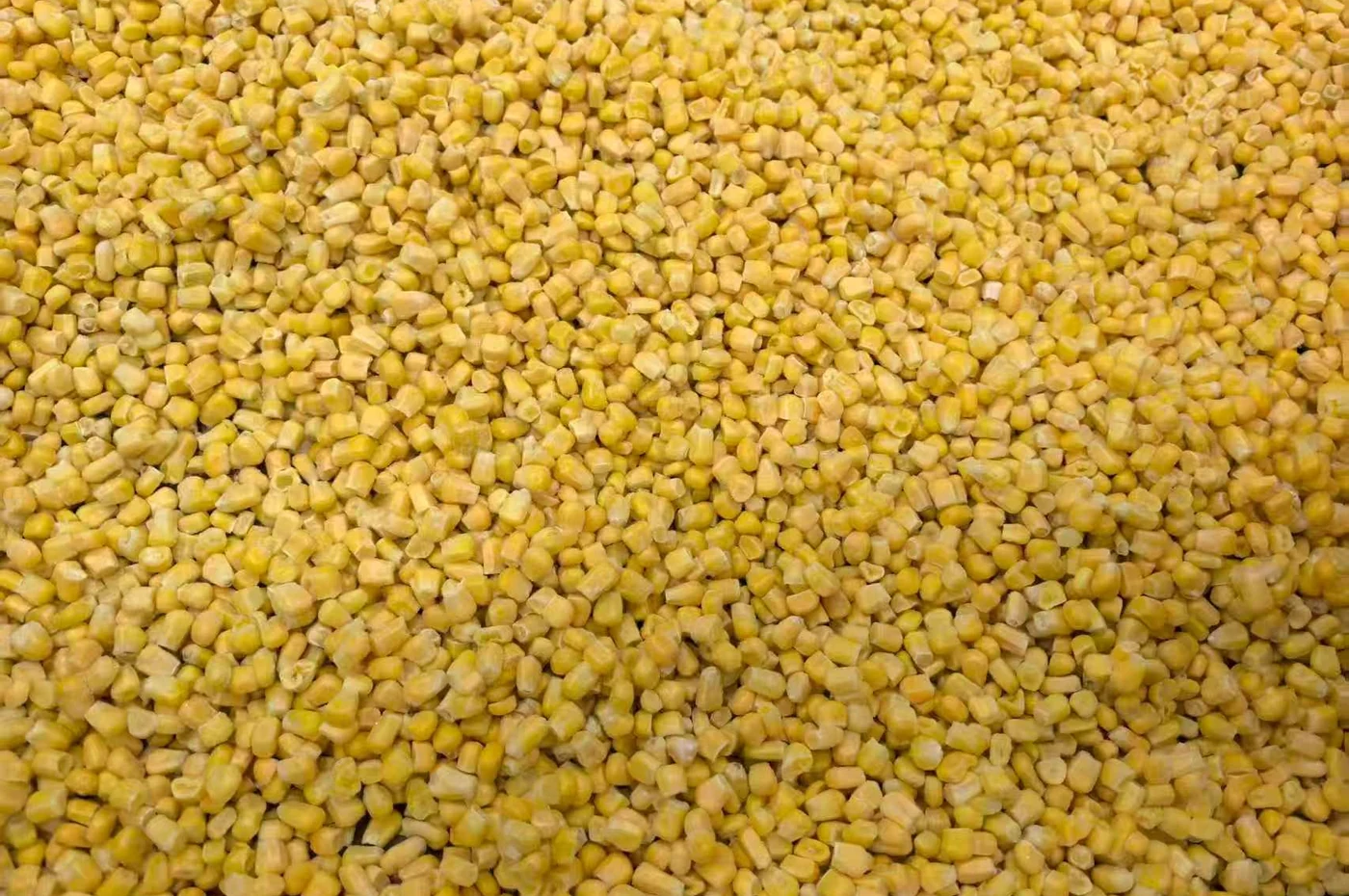
Real frozen corn form; cooking status comes from the pack.
For a mixed vegetable bag, use its own label rather than transferring instructions from plain corn. The other ingredients may have different handling requirements. For foodservice, keep the product identity and preparation directions with the recipe card so staff do not accidentally substitute a cook-required bag into a no-cook method.
The safe route for corn that needs cooking
When the pack says cook, follow its stated heating method and endpoint. Boiling, steaming, microwaving and sautéing can all leave different amounts of surface moisture, but the priority is completing the route given for that product. Do not shorten the cooking step to preserve a firmer bite unless the pack allows it. A cold salad can still have a lively texture after properly cooked corn is cooled and drained.
The five-stage illustration below makes the order visible: read the pack, cook if directed, cool, drain, then mix cold. It is a process guide, not a literal package label or a record of one measured kitchen trial. The key logic is that chilling happens after any required cooking, never in place of it. If the label expressly identifies a ready-to-eat product and gives a different route, follow those exact directions. Do not apply that exception to ordinary frozen corn by analogy.
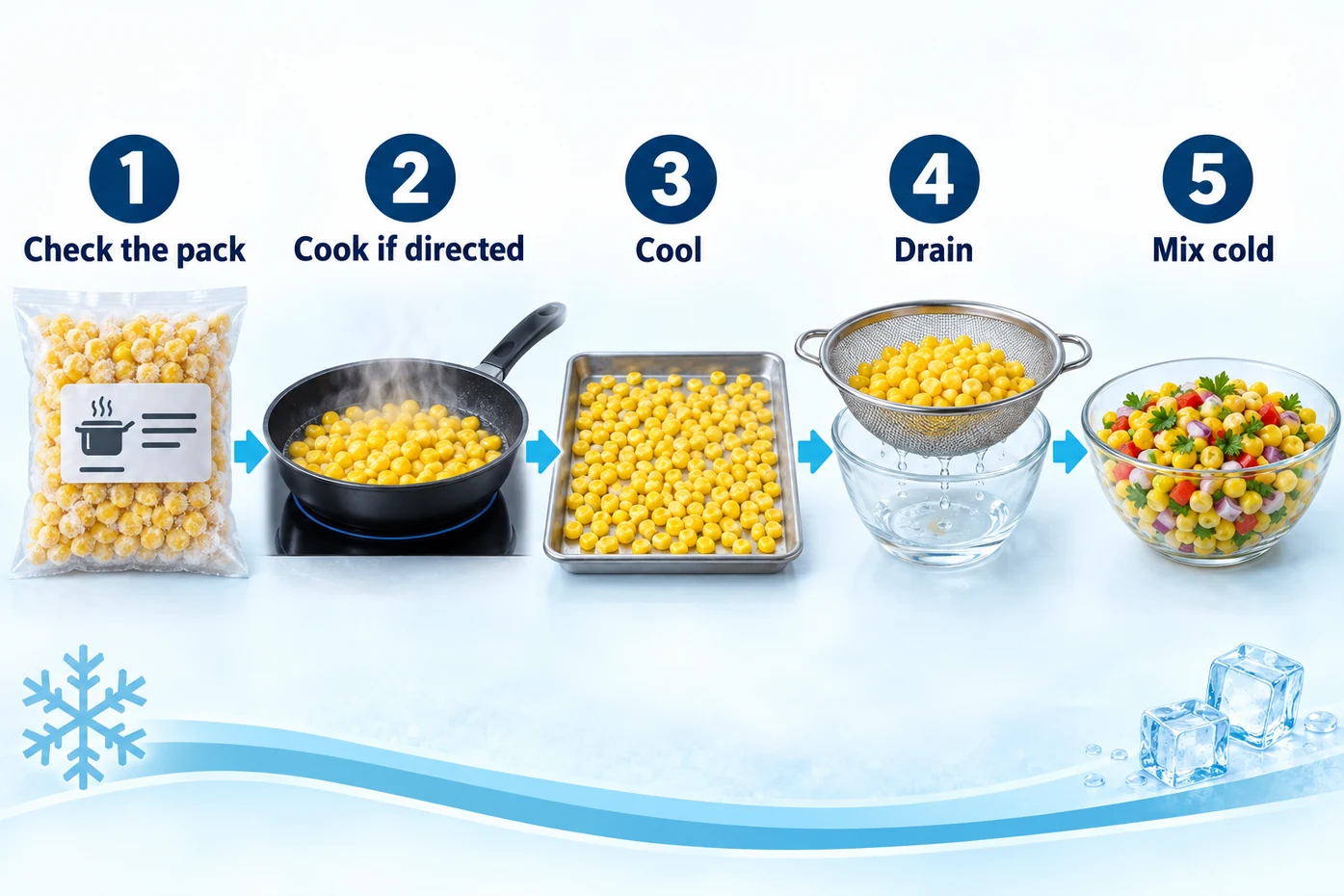
Conceptual explanation: The cook-required route visibly ends in a cold salad only after cooking and cooling.
Plan the cooling step before cooking the corn. A shallow clean container allows kernels to spread rather than sit in a deep hot mound. Follow your applicable foodservice cooling rules and keep the final salad chilled according to its ingredients and service plan. Do not leave cooked corn at room temperature merely to dry it. A sieve, colander or clean perforated pan can remove visible free water after cooking and cooling; it is a quality step, not a substitute for safe time and temperature control.
Sampling is useful here. Taste a few prepared kernels before seasoning. They should have a pleasant corn flavor and a bite appropriate to your recipe. If you need a crisp contrast with cucumber or pepper, choose a corn form and preparation that supports that goal. Do not compensate for a mushy product by adding more dressing; that changes flavor and can hide the actual texture issue for only a short time.
Cool and drain for a dry salad
Water can come from cooking liquid, ice on the kernels, condensation during cooling, and watery companion vegetables. Keep those sources distinct. If corn has just been boiled, drain the cooking water completely. If it has been steamed or microwaved, check the container for liquid trapped at the bottom. If it has been chilled covered, look again for condensation or a new pool before mixing. The salad can still taste fresh with a little moisture; the aim is to avoid free liquid that makes the dressing slide off.
A shallow tray or sieve lets you inspect individual kernels. The second real photograph below shows loose corn in a product context. It is not an after-cooking image and makes no claim about safe preparation. It provides a form reference so you can distinguish separate kernels from a frozen cluster. In your own kitchen, the comparable quality check is performed after the pack-directed preparation.
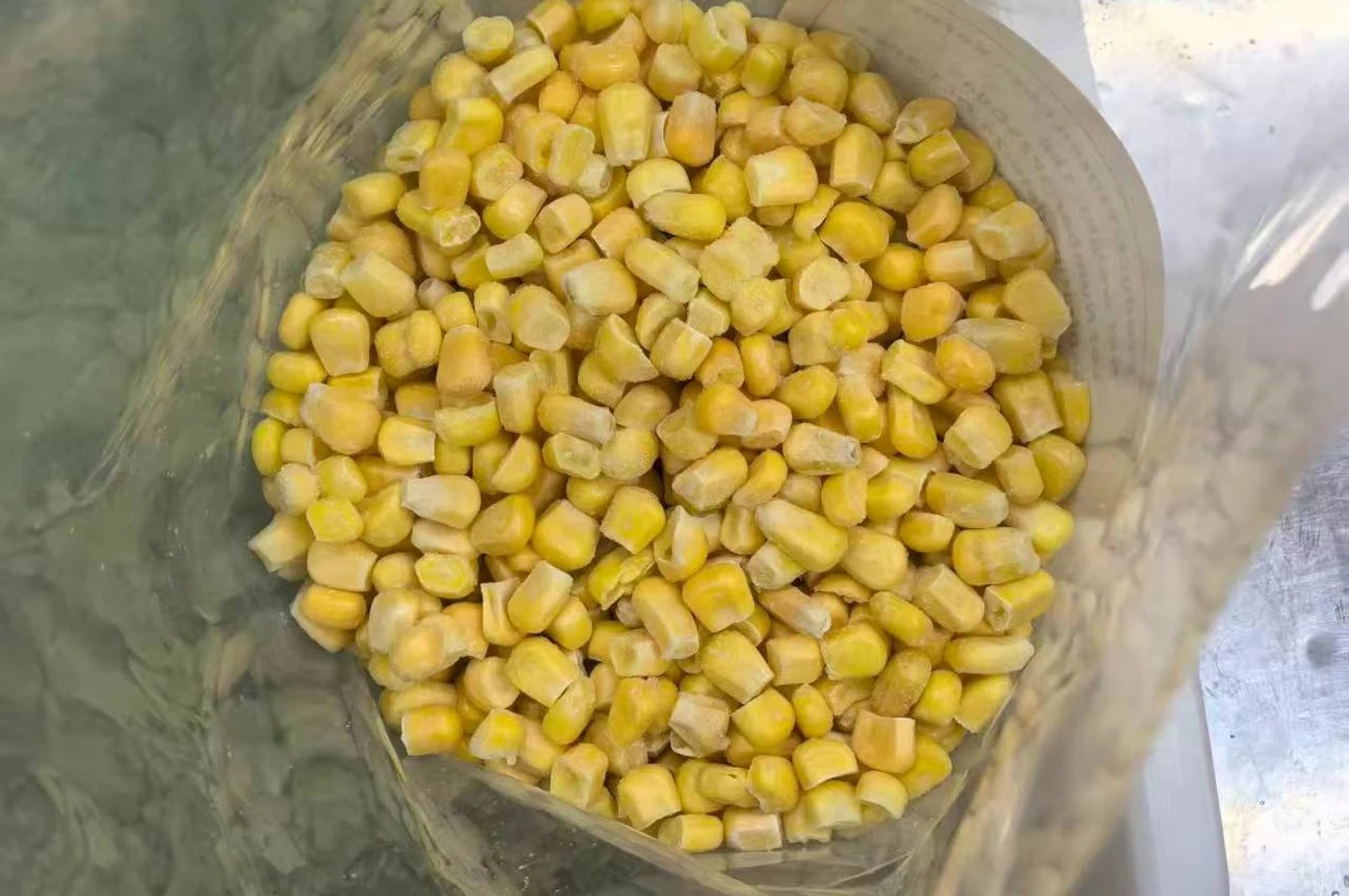
Real product-form photo, not a cooked or ready-to-eat claim.
Do not try to dry cooked corn with prolonged exposure on a counter. Drain it with clean equipment and cool it safely. Patting a small portion with a clean food-safe towel may be useful for a specific recipe, but rubbing can damage kernels and does not fix a product with excess internal softness. A light shake in a sieve often reveals whether free water remains without crushing the corn.
Other salad ingredients can dominate the liquid balance. Salted cucumber releases water; cut tomatoes bring juice; an acidic dressing may draw out more liquid during holding. To learn what the corn contributes, first chill a plain cooked and drained corn sample in a clear container. Then make the full salad. If the plain sample remains nearly dry but the finished salad pools, the other ingredients or dressing may be the main cause.
Compare dressing immediately and after chilling
Mixing is not the end of the texture test. Put two small equal portions into matching bowls. Use the same amount of dressing, but deliberately drain one corn portion more thoroughly. Observe the coating immediately. Chill both according to the recipe’s food-safety plan, then examine the bottom of each bowl and taste again. Do not claim a universal percentage of water loss from a photograph; your own product and recipe provide the answer.
The comparison image below shows the intended observation: a light coating on drained kernels versus a separate pool of water that thins the dressing. The visual is explanatory. It does not imply that one bowl is unsafe or that any specific brand produced it. In a real trial, record which preparation and ingredients went into each bowl so the difference is interpretable.

Conceptual explanation: Water pooled beneath kernels is visibly separate from dressing coating.
A mayonnaise-based dressing may look firm at mixing and then loosen as water accumulates. A vinaigrette may separate visually for its own reasons even when the corn is well drained. Judge free water at the bottom, coating on kernels, and the bite of vegetables separately. Do not keep adding more dressing to cover a drainage issue; you may only make the salad heavy while the pool remains.
Consider adding delicate herbs or crunchy toppings close to service rather than at the beginning of a long hold. That does not change the pack-directed corn preparation, but it may preserve the contrast the salad needs. If the product must be prepared far ahead, run a chilled holding trial at the actual service interval rather than relying on a freshly mixed sample.
Select kernels for the texture you want
Frozen corn products differ in kernel size, separation and apparent tenderness. A tender small kernel can blend easily into a creamy salad. A firmer, larger kernel may stand out against beans or chopped peppers. These are application choices rather than quality rankings. Compare cooked samples under the same recipe and ask whether the bite is pleasant after chilling, not only when hot.
Look for excessive broken kernels if the salad depends on distinct yellow pieces. Broken pieces can release more starchy material into a dressing and change the mouthfeel, but a few fragments are normal in many practical uses. For a prepared-food line, agree on a visual sample and a repeatable check after cooking and cooling. A specification written solely for frozen appearance can miss what happens in the final cold dish.
The frozen sweet corn category describes available forms. Use the exact product’s directions when moving from a form description to a recipe. The website image or category name cannot override the pack’s cooking and storage statements.
A small kitchen trial before service
Prepare one representative portion according to its label. Divide it before dressing. Put one portion in a shallow covered container to check after chilled holding and use the other to build a complete mini salad. Record the temperature-control method required by your kitchen, the amount of corn, whether it was drained again after chilling, the dressing amount, and the time at which you tasted. This does not have to be an elaborate laboratory test. Its value is that the next cook can repeat it.
At the second check, look for liquid at the bottom before you stir. Stirring can hide a small pool temporarily. Taste a kernel alone and then with dressing. Ask if the corn still tastes like corn, if the kernels remain separate, and if the dressing coats rather than washes off. If the result is too wet, first identify whether the liquid came from the corn, the cucumber, tomato, or another ingredient. Change one part and repeat.
The sample illustration below shows immediate and chilled checks on the same conceptual portion. It is deliberately modest: a small change in free liquid can matter to a dressing, but the visual cannot set a universal acceptance limit. Your recipe’s intended appearance and safe handling plan set the standard.
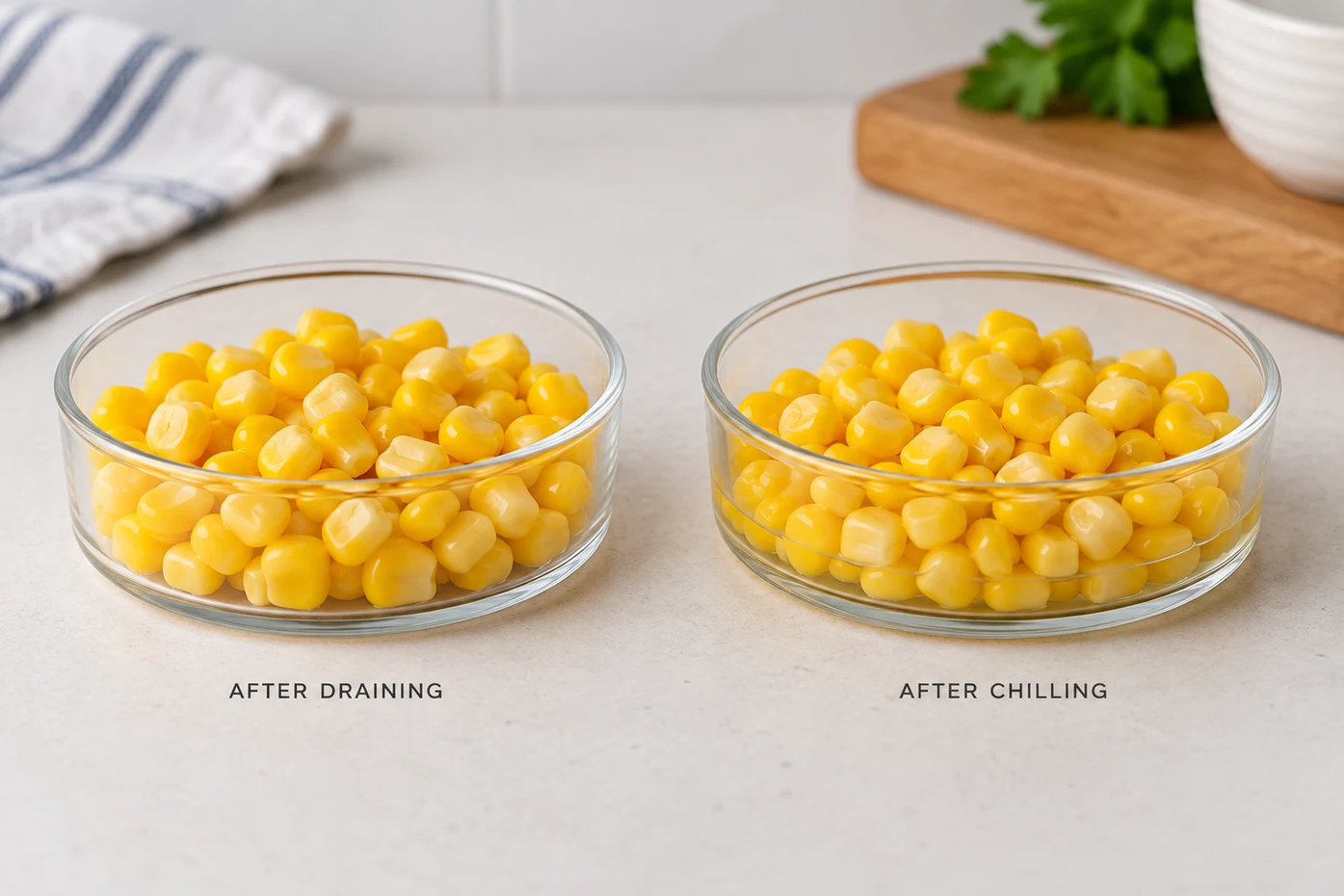
Conceptual explanation: A visual small-batch trial tracks the same kernels immediately after draining and after chilled storage, with a separate liquid line.
Questions about cold corn salad
Can I put frozen corn straight into salad?
Only when the specific product’s instructions support that route. If the pack says cook, cook it first, then cool and drain for the cold salad. Blanching during manufacture does not automatically make a frozen vegetable ready to eat.
Do I have to thaw corn before cooking?
Follow the pack. Many frozen products are prepared from frozen. A separate thaw may add free water and may not be part of the intended route.
Why did my dressing become watery?
Free water can remain on cooked corn or come from other cut vegetables. Check a plain corn sample after chilling and compare it with the dressed salad. Drain visible liquid before mixing and adjust the wettest ingredient.
Will cooling make cooked corn too soft?
It need not, but the final bite depends on product and preparation. Cook as directed, cool safely, and taste the kernels cold. A small trial is more reliable than trying to shorten a required cooking step.
View frozen sweet corn
Review the listed product forms and preparation information alongside the cooking and handling questions discussed above.
View product forms →